Prebiotics vs Probiotics: The Dynamic Duo for Gut Health
Understand the difference between these two gut essentials and how they work together for your health.
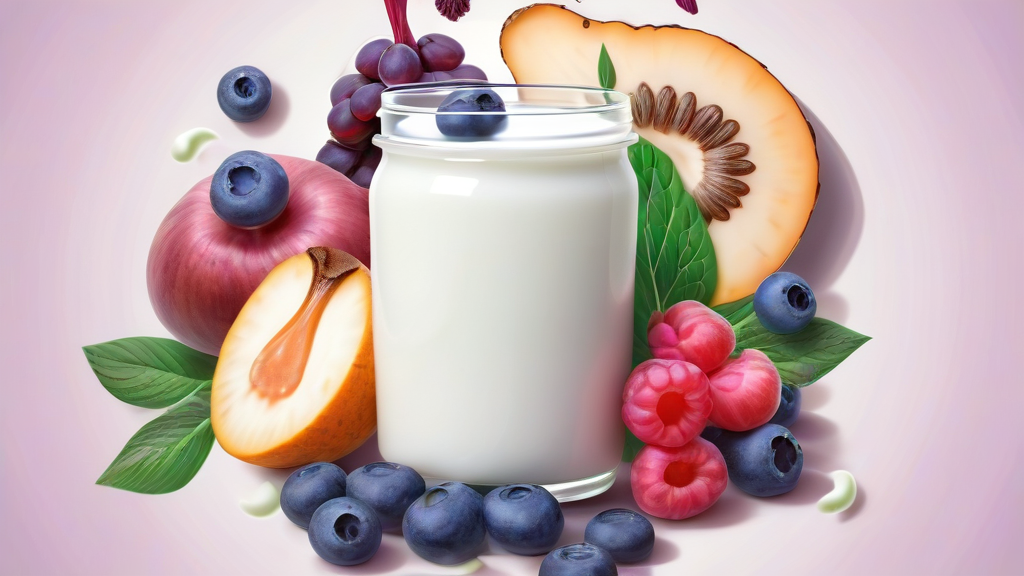
Prebiotics vs. Probiotics: The Dynamic Duo for Gut Health
In the world of wellness, “gut health” has become a major buzzword. We’re told to drink kombucha, eat yogurt, and take supplements to keep our microbiome happy. But as you dive deeper into the science of digestion, you’ll inevitably run into two terms that sound remarkably similar but serve very different functions: prebiotics and probiotics. While they are often mentioned in the same breath, understanding the distinction between them is key to truly optimizing your health. Think of your gut as a garden: one is the seeds, and the other is the fertilizer. Let’s explore how this dynamic duo works together to keep your internal ecosystem flourishing.
Probiotics: The “Seeds” of Your Gut Garden
Probiotics are the live, beneficial bacteria and yeasts that reside in your digestive tract. When you consume probiotics, you are essentially “reseeding” your gut with “good” microbes. These beneficial bacteria help crowd out harmful pathogens, support your immune system, and even produce vitamins like B12 and K2.
Common Strains to Look For
When you look at a probiotic supplement or a label on a yogurt container, you’ll see names like Lactobacillus and Bifidobacterium. * Lactobacillus: Often found in the small intestine, these help digest lactose and produce lactic acid, which creates an environment where harmful bacteria can’t survive. * Bifidobacterium: These primarily reside in the large intestine and are crucial for breaking down complex carbohydrates and protecting the gut lining.
Where to Find Probiotics
You don’t necessarily need a pill to get your probiotics. Fermented foods are nature’s original probiotic supplements: * Yogurt and Kefir: Be sure to look for “live and active cultures.” * Sauerkraut and Kimchi: Ensure they are raw and refrigerated (pasteurization kills the beneficial bacteria). * Miso and Tempeh: Fermented soy products that are excellent for gut diversity. * Kombucha: A fermented tea that provides a variety of bacterial and yeast strains.
Prebiotics: The “Fertilizer” for Your Gut
If probiotics are the seeds, prebiotics are the fertilizer. They are types of plant fiber that the human body cannot digest. While they pass through your stomach and small intestine unchanged, they become a feast for the beneficial bacteria living in your colon.
When your probiotic bacteria “eat” prebiotic fibers, they produce metabolic byproducts called short-chain fatty acids (SCFAs), such as butyrate. These SCFAs are the primary fuel source for the cells lining your colon and have powerful anti-inflammatory effects throughout the body.
Where to Find Prebiotics
Prebiotics are found in many everyday fruits, vegetables, and grains. Some of the most potent sources include: * Garlic and Onions: Contain inulin and fructooligosaccharides (FOS). * Asparagus and Artichokes: Rich in prebiotic fiber. * Bananas (especially slightly green ones): Contain resistant starch, a powerful prebiotic. * Oats and Barley: Contain beta-glucan, which feeds beneficial bacteria while also supporting heart health. * Apples: Contain pectin, which has been shown to increase Bifidobacterium levels.
The Power of Synbiotics: When 1 + 1 = 3
While you can take prebiotics and probiotics separately, they are most effective when consumed together. This combination is known as a synbiotic. The goal of a synbiotic is to provide the “good” bacteria and the “food” they need at the same time, ensuring the bacteria have a higher chance of survival and colonization in your gut.
Examples of Synbiotic Meals
- Yogurt (Probiotic) with a sliced Banana (Prebiotic): A classic breakfast that supports your microbiome.
- Kimchi (Probiotic) with Garlic and Onions (Prebiotics) in a stir-fry: Just be sure to add the kimchi at the end to keep the bacteria alive.
- Kefir (Probiotic) with a handful of raw Oats (Prebiotic) in a smoothie.
Why Diversity Is the Ultimate Goal
One of the most common mistakes people make is taking the same probiotic supplement for months on end. This can actually lead to an overgrowth of a single strain, which isn’t ideal. The hallmark of a healthy gut is diversity. You want a wide variety of different bacterial species working together.
The best way to achieve this diversity is through your diet. A famous study by the American Gut Project found that people who ate more than 30 different types of plant foods per week had much more diverse microbiomes than those who ate 10 or fewer. Every different plant food contains different types of prebiotic fibers that feed different strains of bacteria.
How to Start Improving Your Gut Health Today
If you’re new to the world of pre- and probiotics, the key is to start slow. Adding too much fiber (prebiotics) or a high-dose probiotic supplement too quickly can cause temporary bloating, gas, or changes in bowel habits as your microbiome shifts.
- Introduce one fermented food a day: Start with a small serving of sauerkraut or a cup of kefir.
- Increase your plant variety: Try one new vegetable each week.
- Prioritize whole foods: Processed foods often lack fiber and contain additives that can disrupt the delicate balance of your gut bacteria.
- Stay hydrated: Fiber needs water to move through your system effectively.
Conclusion: Nurturing Your Internal Ecosystem
Your gut is a living, breathing ecosystem that requires constant care and attention. By understanding the roles of prebiotics and probiotics, you can move beyond the “quick fix” mentality and start building a foundation of health that lasts a lifetime. Whether you’re looking to improve your digestion, boost your mood, or strengthen your immune system, it all starts with feeding your friends on the inside. Plant the seeds, provide the fertilizer, and watch your health flourish from the inside out.