The Skin-Gut Axis: How Your Microbiome Affects Your Complexion
Discover the profound connection between your internal gut health and your external skin radiance.
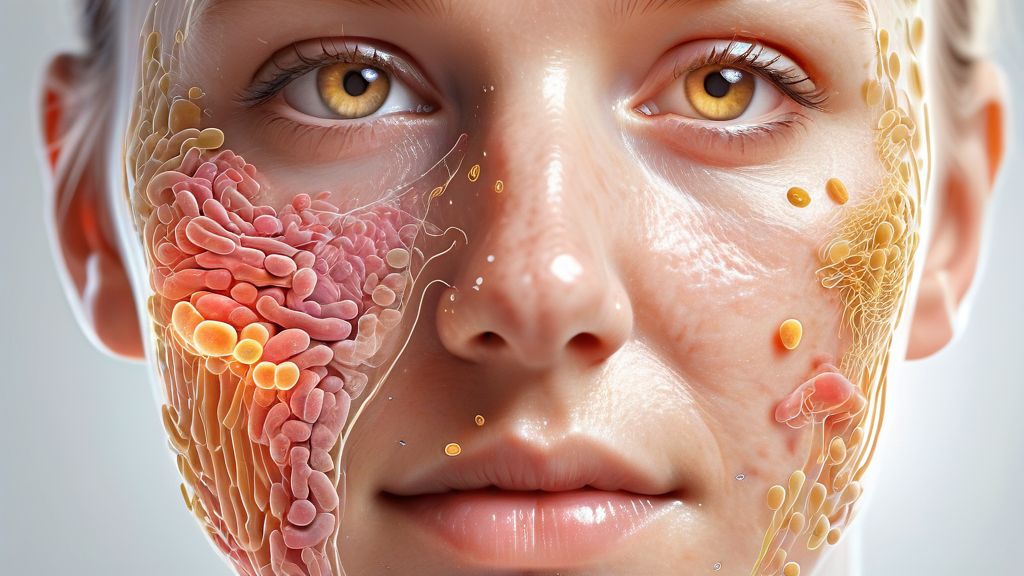
The Skin-Gut Axis: How Your Microbiome Affects Your Complexion
Have you ever noticed that your skin seems to flare up right around the same time your digestion feels a bit “off”? Maybe it’s a breakout after a week of indulgence, or a patch of eczema that appears when you’re feeling bloated and sluggish. If you’ve suspected a link between your gut and your glow, you’re not just imagining things. Science is increasingly confirming what ancient healing traditions have suggested for centuries: the health of your skin is deeply intertwined with the health of your gut. This connection is known as the “skin-gut axis,” and understanding it might be the missing piece in your skincare routine.
What Exactly Is the Skin-Gut Axis?
The skin-gut axis is a complex, bidirectional communication network between your gastrointestinal system and your integumentary system (your skin). It involves the immune system, the endocrine system, and, most importantly, the trillions of microorganisms living in your digestive tract—collectively known as the gut microbiome.
Think of your gut as the internal “garden” of your body. When the soil is rich and the ecosystem is balanced, everything flourishes. But when the gut microbiome becomes imbalanced—a state called dysbiosis—it can send distress signals that manifest on the surface of your body. Your skin is often the first place these internal imbalances show up.
The Role of Inflammation and the Immune System
One of the primary ways the gut influences the skin is through the immune system. Approximately 70-80% of your immune cells reside in your gut. These cells are constantly interacting with your microbiome, learning to distinguish between “friend” and “foe.” When your gut microbiome is healthy, it helps regulate inflammation.
However, when dysbiosis occurs, the intestinal lining can become more permeable—a condition often referred to as “leaky gut.” This allows undigested food particles, toxins, and bacteria to “leak” into the bloodstream. The immune system reacts by triggering systemic inflammation. This inflammation doesn’t stay confined to your gut; it travels throughout the body and can exacerbate inflammatory skin conditions like acne, rosacea, psoriasis, and dermatitis.
Gut Bacteria and Your Skin’s Protective Barrier
Your gut bacteria also produce metabolic byproducts that directly affect skin health. For instance, some beneficial bacteria produce short-chain fatty acids (SCFAs) like butyrate, propionate, and acetate. These SCFAs have potent anti-inflammatory properties and help maintain the integrity of the skin barrier.
A strong skin barrier is essential for keeping moisture in and keeping irritants, allergens, and pathogens out. When SCFA production is low due to a lack of fiber-rich foods or a depleted microbiome, the skin barrier can weaken, leading to dryness, sensitivity, and increased susceptibility to environmental damage.
How Your Microbiome Influences Acne
Acne is perhaps the most common skin condition linked to the gut. While hormones and genetics play a role, the gut microbiome is a significant factor. Studies have shown that individuals with acne often have lower microbial diversity in their gut compared to those with clear skin.
Furthermore, a high-sugar, high-processed-food diet can spike insulin levels, which not only fuels acne directly but also alters the gut microbiome in ways that promote inflammation. By focusing on gut-friendly foods, many people find that their hormonal acne becomes much easier to manage.
Probiotics and Prebiotics: Food for Your Glow
If you want to support your skin-gut axis, you need to focus on what you’re feeding your internal garden. This involves two key components: probiotics and prebiotics.
Probiotics are the “good” bacteria themselves. You can find them in fermented foods like yogurt, kefir, sauerkraut, kimchi, and kombucha. These foods introduce beneficial strains into your system, helping to crowd out harmful bacteria and reduce systemic inflammation.
Prebiotics, on the other hand, are the fuel for those good bacteria. They are types of fiber that your body can’t digest, but your microbiome loves. Foods like garlic, onions, leeks, asparagus, bananas, and oats are excellent sources of prebiotics. A diet rich in variety ensures a diverse and resilient microbiome, which reflects in a more resilient complexion.
Stress, the Gut, and Your Skin
We can’t talk about the skin-gut axis without mentioning the mind. Have you ever wondered why stress causes breakouts? It’s because the “gut-brain-skin axis” is a real thing. Stress can slow down digestion and alter the composition of your gut bacteria. It can also increase intestinal permeability.
When you’re stressed, your body produces cortisol, which can increase oil production in the skin and lead to clogged pores. At the same time, the stress-induced changes in your gut further fuel inflammation. Managing stress through movement, meditation, or even just getting enough sleep is just as important for your skin as any topical serum.
Practical Steps to Support Your Skin-Gut Axis
Nurturing your gut for better skin doesn’t have to be complicated. Start with these foundational habits:
- Eat the Rainbow: Aim for 30 different plant foods per week. Diversity in diet leads to diversity in the microbiome.
- Hydrate Well: Water is essential for both digestion and skin elasticity.
- Minimize Processed Sugars: Sugar fuels the “bad” bacteria and promotes glycation, which can damage collagen.
- Incorporate Fermented Foods: Try to include a small serving of sauerkraut or kimchi in your daily meals.
- Listen to Your Body: If certain foods consistently make you feel bloated or sluggish, they might be contributing to skin issues as well.
Conclusion: Beauty Starts Within
Your skin is a reflection of your internal health. While topical treatments are important for protecting and nourishing the surface, they can only do so much if the underlying cause is an imbalanced gut. By focusing on the skin-gut axis, you’re not just chasing a temporary glow; you’re building a foundation of health that radiates from the inside out. Remember, a happy gut leads to happy skin. Be patient with the process, feed your microbiome well, and watch as your complexion begins to transform.